
Everyday Hydration Habits
Updated on
In short
Fluid needs vary from person to person, depending on activity, climate and lifestyle. Paying attention to thirst, keeping water within reach, pairing a drink with existing routines and eating water-rich foods are simple ways to stay comfortably hydrated, with extra fluid on hot or active days.
Key Takeaways
- Noticing thirst and keeping water visible can help encourage regular sips throughout the day.
- Pairing a glass of water with existing routines makes hydration easier to remember.
- Water-rich foods also contribute to your overall daily fluid intake.
Staying reasonably hydrated is a fundamental aspect of daily maintenance for the human body. Water is involved in almost every bodily function, from regulating temperature to supporting digestion. While the idea of drinking water is incredibly simple in theory, remembering to do so consistently amidst a busy daily schedule can sometimes prove surprisingly challenging. Public health bodies publish general guidance on adequate fluid intake, but it is important to remember that individual needs vary by person, depending on factors such as their level of physical activity, the climate they live in, and their overall lifestyle. Building small, everyday habits can make a noticeable change in maintaining a comfortable baseline of hydration without it feeling like a chore or an arduous task.
Noticing Thirst and Keeping Water Visible
One of the most straightforward and reliable indicators that your body needs fluid is the sensation of thirst. Paying attention to this natural signal, rather than ignoring it because you are occupied with a task or conversation, is an excellent starting point. However, relying solely on intense thirst might sometimes mean you are already slightly behind on your fluid intake for the day.
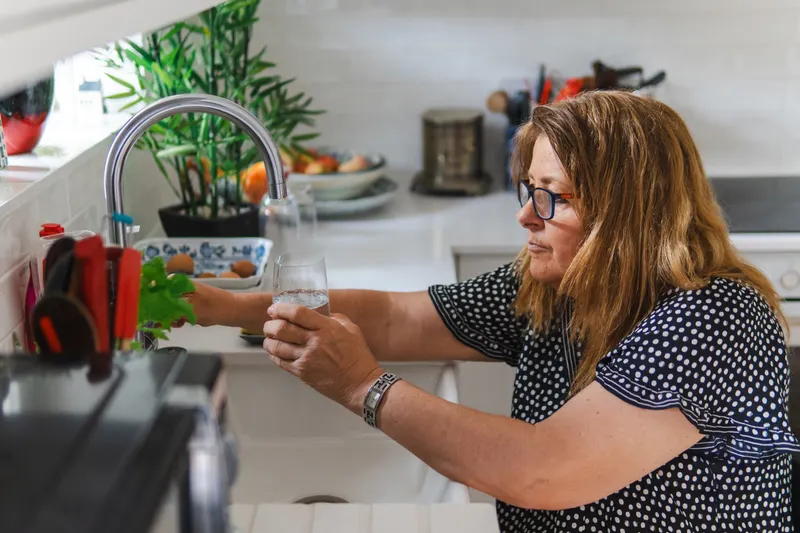
A very effective and low-effort strategy is simply keeping water visible and easily accessible within your immediate environment. Keeping a glass or a reusable bottle on your desk while you work, on the kitchen counter, or near where you normally sit to relax acts as a constant, gentle visual prompt. When the water is right in front of you, you are far more likely to take regular, small sips throughout the day without having to consciously think about it or disrupt your focus to make a special trip to the kitchen.
Pairing with Routines
Another highly effective way to build consistency is to attach the act of drinking water to habits you already perform daily without fail. This technique, sometimes referred to in behavioural terms as habit stacking, uses an existing routine as a reliable trigger for a new one. For example, you might decide to have a small glass of water immediately after waking up and stretching, while the kettle is boiling for your morning tea or coffee, or right before sitting down to eat a meal. Over time, the association between the two actions becomes virtually automatic, and drinking water naturally slots into the rhythm of your day without requiring significant conscious effort or external reminding.
Water-Rich Foods
It is also helpful to remember that plain water from a glass or bottle is not the only source of hydration available to us. A surprisingly significant portion of our daily fluid intake can actually come from the foods we eat, particularly fresh produce. Many common fruits and vegetables, such as cucumber, celery, melon, strawberries, and citrus fruits, have very high water content naturally. Including these kinds of foods in your main meals or choosing them as refreshing snacks contributes gently to your overall hydration levels, while also providing a variety of other nutritional benefits simultaneously. This broader view of hydration means you don't have to rely entirely on what you pour into a glass to meet your daily needs.
Warm Weather and Activity
Context also matters a great deal when considering how much to drink on any given day. On warmer days, or when you are more physically active than usual—even just doing housework or gardening—your body naturally loses more fluid through sweating as it tries to regulate its temperature. During these times, it is sensible to increase your fluid intake proactively, rather than waiting until you feel intensely thirsty. Carrying a bottle with you when you leave the house during the summer months or when going for a long walk is a practical and necessary step to ensure you can replenish fluids as needed, helping you to remain comfortable, cool, and alert throughout your activities.
Frequently asked questions
How much should I drink each day?
There is no single amount for everyone. NHS guidance suggests around 6 to 8 glasses of fluid a day for many people, with more needed in hot weather or during physical activity.
Do drinks other than water count?
Yes. Water, lower-fat milk and sugar-free drinks, including tea and coffee, all count towards fluid intake, and water-rich foods such as fruit and vegetables contribute too.
What are common signs of not drinking enough?
Feeling thirsty, having dark yellow, strong-smelling urine and feeling tired or lightheaded can be signs of dehydration.
When should I speak to a professional?
If you notice sudden changes in thirst, find it hard to stay hydrated or have a health condition that affects fluid intake, speak to a doctor or pharmacist.
When to talk to a professional
If you struggle to stay hydrated, notice sudden changes in thirst, or have specific health conditions, speak to a doctor, pharmacist or other qualified professional. This guide provides general tips and is not a substitute for medical advice.
Sources
General information from public health bodies and published research, consulted when this guide was last updated.
- Water, drinks and hydration — NHS
- Dehydration — NHS
- Heatwave: how to cope in hot weather — NHS
- Water, hydration and health (Popkin, D'Anci & Rosenberg, Nutrition Reviews, 2010) — PubMed Central (NIH/NLM)