
Building a Balanced Plate
Updated on
In short
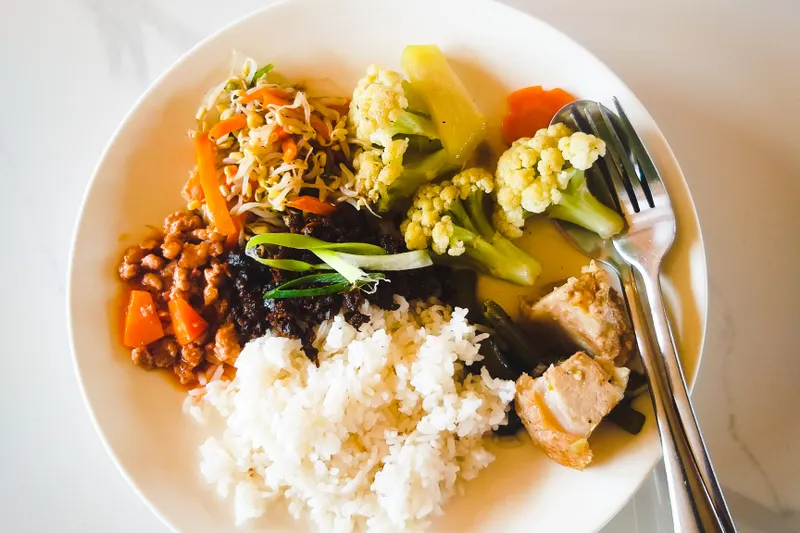
A simple way to build a balanced main meal is to fill about half the plate with vegetables and fruit, a quarter with grains or starchy foods and a quarter with protein such as beans, fish or poultry. Choosing a variety of colours across the week and comparing packaged foods using the "per 100 g" column helps keep everyday eating varied.
Key Takeaways
- Using a visual model of half-vegetables, quarter-grains, and quarter-protein simplifies meal planning.
- Including a variety of colours and types of food supports general nutrition.
- Reading the nutrition facts panel helps you understand what is in your food per 100 g and per portion.
Approaching your daily meals with a gentle focus on balance and broad variety is a practical, sustainable approach to everyday eating. Rather than becoming overly focused on highly restrictive rules or complicated counting methods, many people find that using a simple visual model when serving food is a much more helpful and approachable starting point. This method naturally encourages including different essential food groups in sensible, moderate proportions, ensuring you receive a wide range of nutrients without unnecessary complication. The overarching goal is to achieve consistent, varied nourishment rather than striving for an impossible standard of dietary perfection every single day.
The Visual Plate Model
A widely recommended, easy-to-remember starting point for assembling a main meal is to mentally divide your physical plate into distinct sections. While specific energy and nutritional needs always vary by individual based on age and activity level, a very common and effective baseline suggests aiming for approximately half the plate to be filled with vegetables or a mix of vegetables and fruit. The remaining half of the plate can then be divided roughly equally into two quarters: one quarter dedicated to grains or starchy carbohydrates, and the final quarter for a reliable source of protein.
This visual approach provides a clear, straightforward template that is easy to apply whether you are cooking at home or selecting options elsewhere. The generous vegetable half offers essential volume, dietary fibre, and a wide array of vitamins. The carbohydrate quarter, which might include items such as rice, pasta, or potatoes, provides necessary and accessible energy to fuel your day. The protein quarter, which could feature foods like beans, lentils, fish, or poultry, is part of a varied diet, and many people find it helps them feel fuller for longer. Adjusting these proportions slightly depending on your activity level for the day is a sensible way to tune into your own personal needs.
Variety and Colour
When selecting foods to fill the vegetable and fruit portion of your plate, aiming for a wide variety of colours is an incredibly helpful rule of thumb. Different natural colours in produce often indicate the presence of different beneficial naturally occurring compounds and specific nutrients. Deliberately including a diverse mix of dark leafy greens, bright oranges, vibrant reds, and deep purples over the course of a normal week naturally diversifies your nutritional intake. Furthermore, visual and textural variety keeps meals interesting, appealing, and enjoyable, making balanced eating a sustainable, long-term habit rather than a monotonous daily chore.
Reading the Nutrition Facts Panel
When purchasing packaged foods at the supermarket, taking a brief moment to look closely at the nutrition facts panel, usually found on the back or side of the packaging, can provide valuable context for your choices. These informative panels typically display detailed information about the total energy, total fat, sugars, and salt content, provided both per 100 g and often per suggested manufacturer portion size.
Looking specifically at the "per 100 g" column is particularly useful and revealing when trying to directly compare two similar products side-by-side, as it provides a fair, standardized measure. Understanding the difference between naturally occurring sugars and added sugars, and keeping an eye on the overall salt content, empowers you to make informed, deliberate choices that align closely with general guidelines for a balanced, varied intake.
Portion Awareness
Alongside considering what types of food are on the plate, portion awareness is an equally useful daily consideration. Standard serving sizes, particularly when dining out, can sometimes be significantly larger than what the body actually requires for energy and nourishment at that moment. Paying attention to your own internal feelings of fullness and actively recognizing when you are satisfied, rather than feeling compelled to clear the plate completely if you are already comfortable, is a highly supportive habit to develop over time. Taking time to eat mindfully, chewing well and without rushing, often makes it much easier to notice these subtle physical cues of satisfaction.
Frequently asked questions
What is the plate model?
It is a visual guide used by public health resources such as the NHS Eatwell Guide and the Harvard Healthy Eating Plate: roughly half vegetables and fruit, a quarter whole grains or starchy foods and a quarter protein.
How many portions of fruit and vegetables should I aim for?
The WHO suggests at least 400 g of fruit and vegetables a day, which the NHS expresses as at least 5 portions of a variety of fruit and vegetables.
Why compare foods per 100 g?
Portion sizes differ between brands, so the "per 100 g" column gives a fair, like-for-like comparison of energy, fat, sugars and salt.
Does every meal need to be perfectly balanced?
No. Balance over the day and the week matters more than any single meal. Individual needs vary with age, activity level and health.
When to talk to a professional
If you have specific dietary requirements, food allergies, or medical conditions that affect how you eat, speak to a doctor, registered dietitian, or other qualified professional. This guide provides general tips and is not a substitute for personalised medical or nutritional advice.
Sources
General information from public health bodies and published research, consulted when this guide was last updated.
- The Eatwell Guide — NHS
- Healthy diet — fact sheet — World Health Organization
- Healthy Eating Plate — Harvard T.H. Chan School of Public Health
- Food labels — NHS
- Why 5 a day? — NHS