
Scalp Care Basics
Updated on
In short
The scalp is skin, so it does best with gentle, regular cleansing rather than hard scrubbing. Massaging shampoo in with the fingertips, rinsing until no residue is left, using lukewarm water and keeping brushes clean are simple habits that help the scalp feel comfortable.
Key Takeaways
- Looking after the scalp as an extension of the skin on your face can help guide your care choices.
- Gentle massage while washing and thorough rinsing help avoid residue build-up.
- Maintaining hygiene with brushes and avoiding excessively hot water are simple supportive habits.
When considering a hair care routine, it is easy to focus primarily on the lengths and ends of the hair itself. However, the scalp is the foundation from which hair grows. Thinking of the scalp as an extension of the skin on your face or body is a helpful starting point. It requires regular cleansing to remove accumulated oils and environmental debris, but it also benefits from a gentle approach to maintain its natural balance. Establishing a few simple habits can support a comfortable and well-maintained scalp environment, contributing to the overall appearance and manageability of your hair. Taking time to care for this area often makes the rest of your routine more effective.
The Scalp as Skin
The scalp shares many characteristics with the skin on the rest of your body, including sebaceous glands that produce natural oils (sebum) to keep it moisturised. Just like your face, the scalp can become overly oily or unnecessarily dry depending on how it is cleansed and the environment it is exposed to. Understanding this similarity encourages a more mindful approach to washing. Rather than vigorously scrubbing, which can cause irritation or overstimulate oil production, a measured and gentle approach is generally more beneficial. Recognising that the scalp requires a careful balance of cleanliness and natural moisture is the first step in basic daily care.
Gentle Massage and Washing Technique
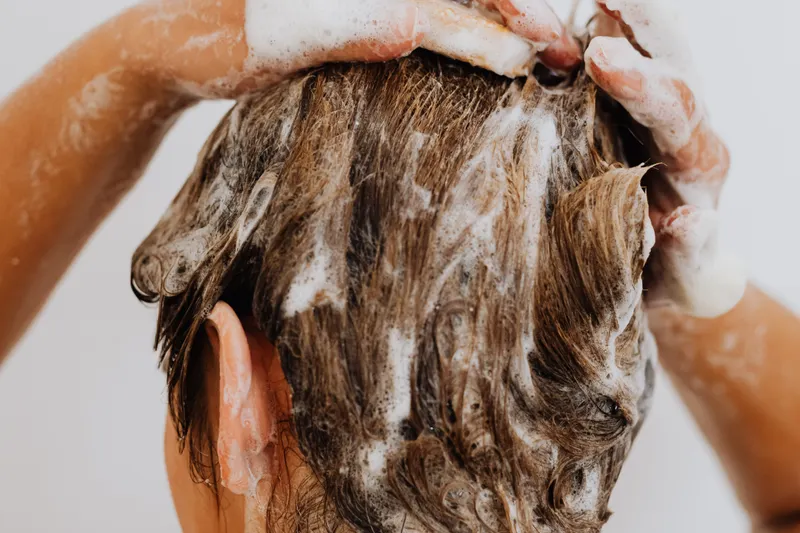
The way you apply shampoo can make a noticeable difference in how your scalp feels afterwards. Instead of piling all your hair on top of your head and scrubbing the lengths, focus the cleansing product directly on the roots and scalp area. Using the pads of your fingers—not your nails, which can easily cause tiny scratches and irritation—gently massage the product into the skin in small, circular motions.
This gentle massaging action serves a dual purpose. Firstly, it effectively loosens dirt, natural oils, and any lingering styling products that may have settled there. Secondly, the physical movement can be a relaxing part of your routine. Taking a few extra moments to thoroughly work the shampoo in with gentle pressure ensures a more comprehensive clean without being abrasive or overly harsh on the skin surface.
Rinsing Thoroughly and Managing Build-up
One of the most common oversights in a hair washing routine is incomplete rinsing. Leaving traces of shampoo, or even heavier conditioning products, near the roots can lead to product build-up over several days. Over time, this accumulated residue can make the hair feel heavy, look dull, and potentially cause the scalp to feel less than fresh, sometimes mimicking the feeling of an oily scalp.
Taking the time to rinse the hair thoroughly until the water runs completely clear and the hair feels clean to the touch is an essential step. It is also worth being mindful of how many styling products are applied directly to the root area on a daily basis, as reducing unnecessary layers can help keep the scalp feeling comfortable and clear between washes.
Water Temperature and Accessory Hygiene
The temperature of the water you use plays a significant role in how your scalp reacts during and after a wash. While a very hot shower might feel relaxing to the muscles, excessively hot water can strip the scalp of its natural protective oils more rapidly than warm water, potentially leading to a feeling of dryness or tightness later in the day. Opting for lukewarm water when washing and rinsing is a simple adjustment that is often much gentler and more forgiving on the skin.
Furthermore, the tools you use daily matter just as much as the products. Hairbrushes, combs, and clips can accumulate oils, shed hair, and product residue over time. Regularly cleaning your brushes with a gentle soap and warm water helps ensure that you are not reintroducing old oils and debris back onto a freshly washed scalp. This small but important habit of accessory hygiene supports the overall cleanliness and effectiveness of your entire routine.
Frequently asked questions
Should I scrub my scalp with my nails?
It is better to use the pads of your fingers. Nails can scratch and irritate the skin, while gentle circular movements are enough to loosen oil and residue.
Why does thorough rinsing matter?
Shampoo or conditioner left near the roots can build up over several days and make the hair feel heavy and the scalp less fresh.
Is very hot water bad for the scalp?
Very hot water can strip natural oils more quickly and may leave the scalp feeling dry or tight. Lukewarm water is generally gentler.
When should I see a professional about my scalp?
If you have persistent itching, flaking, redness or sudden hair shedding, speak to a pharmacist, doctor or dermatologist.
When to talk to a professional
If you notice persistent itching, flaking, redness or sudden shedding, speak to a doctor or dermatologist. This guide provides general tips and is not a substitute for medical advice or professional skin assessments.
Sources
General information from public health bodies and published research, consulted when this guide was last updated.
- How to treat dandruff — American Academy of Dermatology
- Dandruff — NHS
- Tips for healthy hair — American Academy of Dermatology