
Hair Care Routine: Simple Washing and Styling Habits
Updated on
In short
There is no single rule for how often to wash your hair: it depends on your hair type, how oily your scalp gets and how active you are. Detangling gently from the ends upwards and limiting high heat from styling tools are simple ways to reduce everyday breakage.
Key Takeaways
- Washing frequency depends on your specific hair type.
- Gentle detangling helps avoid unnecessary breakage.
- Limiting the use of heated styling tools can maintain hair strength.
Developing a manageable hair care routine doesn't require a multitude of steps. Focusing on the basics of washing, detangling, and mindful styling can often be enough to keep hair looking its best on a daily basis.
Washing Frequency by Hair Type
There is no single rule for how often to wash your hair; it largely depends on individual characteristics such as hair texture, oil production, and daily activities.
- Fine, straight hair might require more frequent washing as oil can travel down the hair shaft quickly.
- Thicker, curlier hair tends to be drier and may benefit from less frequent washing to retain natural moisture.
Gentle Detangling
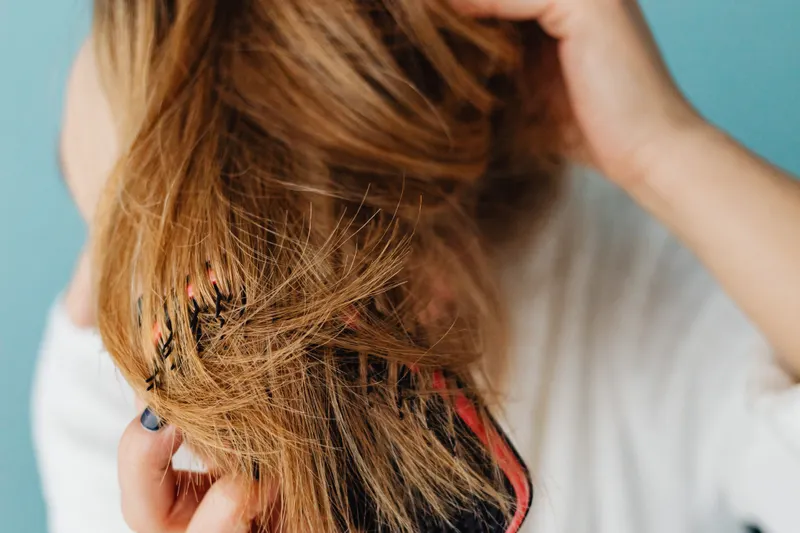
Hair is generally more fragile when wet. When detangling after washing, using a wide-toothed comb and starting from the ends, gradually working upwards, is a common practice to minimise snapping and breakage.
Heat Styling Moderation
Frequent use of heated tools like straighteners, curling irons, or high-heat blow dryers can weaken the hair structure over time. Limiting their use, opting for lower heat settings, and allowing hair to air-dry when possible are simple ways to reduce potential heat damage.
A Balanced Diet
General nutrition can also play a role in everyday well-being, which is often reflected in the outward appearance of hair and nails. Consuming a balanced diet that includes a variety of nutrients is generally supportive of overall maintenance.
Frequently asked questions
How often should I wash my hair?
It varies. Fine or oily hair may feel better with more frequent washing, while thick, curly or dry hair often benefits from washing less often to keep its natural moisture.
Is wet hair more fragile?
Hair is generally more prone to snapping when wet, which is why a wide-toothed comb and working from the ends upwards are commonly recommended after washing.
How can I reduce heat damage?
Use heated tools less often, choose lower heat settings and let hair air-dry when you can. Frequent high heat can weaken the hair over time.
When should I see a doctor about my hair?
If you notice sudden, patchy or unusually heavy hair shedding, speak to a doctor or dermatologist, as it can have many different causes.
When to talk to a professional
If you notice sudden or patchy hair shedding, speak to a doctor or dermatologist. The information provided here is for general educational purposes only and should not replace professional medical advice.
Sources
General information from public health bodies and published research, consulted when this guide was last updated.
- Tips for healthy hair — American Academy of Dermatology
- Hair problems — MedlinePlus (U.S. National Library of Medicine)
- Hair loss — NHS
- The Eatwell Guide — NHS